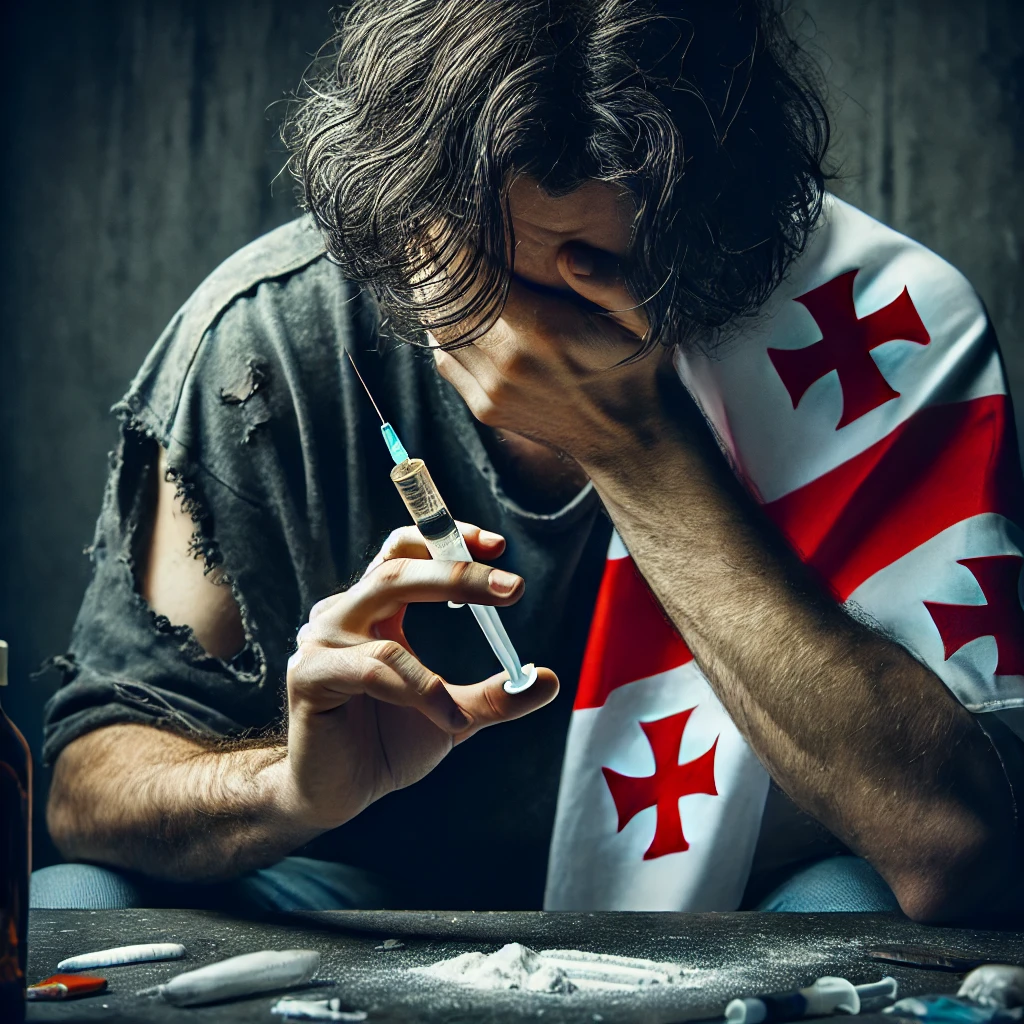
The fight against drug addiction in Georgia is regulated by several legislative acts and government programs aimed at preventing drug abuse as well as providing treatment and rehabilitation services.
Georgian legislation on the fight against drug addiction:
1. Law of Georgia on Control of Narcotic Drugs, Psychotropic Substances and Precursors:
- This law defines the control mechanisms of narcotic drugs and psychotropic substances, including their production, transportation, sale and consumption.
2. Code of Administrative Offenses:
- According to this code, administrative responsibility for illegal drug use is defined, which includes fines and other sanctions.
3. Criminal Code:
- The Criminal Law Code of Georgia defines criminal responsibility for the illegal production, transportation, sale and consumption of drugs. It also provides for sanctions for the purchase and possession of narcotic substances.
4. State drug addiction prevention programs:
- The government implements various programs and initiatives aimed at drug addiction prevention, treatment and rehabilitation. These programs include education and awareness raising, advertising campaigns and free consultations.
Treatment and rehabilitation:
- Medical services:
- For the treatment of drug addiction, there are specialized medical institutions in Georgia, where patients are offered consultations, drug therapy and psychological assistance.
- Public organizations:
- There are also non-governmental organizations that work on the prevention and treatment of drug addiction. These organizations run information campaigns and offer free services to drug addicts.
The goal of Georgian legislation in the fight against drug addiction is to protect public health, reduce illegal drug trafficking and prevent drug use.
The most powerful and addictive drugs include the following types of substances:
1. Opiates and opioids
- Heroin: one of the most powerful and rapidly addictive drugs.
- Morphine: used for medical purposes, but also very easily addictive.
- **Fentanyl: A highly potent opioid that, in addition to medical use, is often used illegally, leading to a high risk of overdose and addiction.
2. stimulants
- Cocaine: A powerful stimulant that causes a quick and intense euphoria, but also quickly leads to addiction.
- Crack cocaine: A form of cocaine that produces a faster and more intense euphoria, as well as a strong addiction.
- Methamphetamine (Methamphetamine): A powerful stimulant that causes long-lasting euphoria and increased energy, but also quickly causes physical and psychological dependence.
3. synthetic cannabinoids
- Spice: A group of synthetic cannabinoids that often cause strong euphoria and hallucinations, as well as strong addiction.
4. Hallucinogens
- LSD (lysergic acid diethylamide): a powerful hallucinogen that causes strong psychological dependence.
- Psilocybin-containing mushrooms: cause hallucinations and psychological dependence.
5. benzodiazepines
- Diazepam: a substance with a sedative and anxiolytic effect that causes strong physical and psychological dependence.
- Alprazolam: Often used to treat anxiety, but also highly addictive.
The use of these drugs requires strict control and caution, as their illegal use leads to serious health problems and addiction.
Different countries use different approaches to fight drug addiction. Examples of their success and recommendations for Georgia include the following:
1. Prevention and education
Portugal: In 2001, Portugal decriminalized drugs. This means that possession of small amounts of drugs is no longer a criminal offense, but administrative sanctions are imposed. This allowed the state to focus more resources on prevention and treatment. Prevention programs that focus on working with young people are very important.
2. Treatment and rehabilitation
Switzerland: For heroin users, Switzerland provides controlled injection clinics where patients are given heroin in a controlled environment. This program reduces the spread of infections and gives users the opportunity to end their drug-oriented lifestyle and receive treatment and psychological support.
3. Tightening of legislation and strengthening of law enforcement agencies
Singapore: The fight against drug addiction in Singapore is based on strict laws and active law enforcement agencies. There are severe penalties for drug possession, including the death penalty for possession of large quantities of drugs.
4. The role of public organizations
The Netherlands: In the Netherlands, the role of public organizations working on drug addiction prevention and treatment is important. The local civil society is actively involved in these processes.
Recommendations for Georgia
1. Prevention and Education:
- Creating and updating drug addiction prevention programs in schools and universities.
- Producing social ads and information campaigns that focus on the risks and negative consequences of drug use.
2. Treatment and rehabilitation:
- Strengthening medical and psychological services for drug addiction treatment and rehabilitation.
- Creating programs for users at increased risk, such as needle exchange programs and controlled injection clinics.
3. Legislation reform:
- Changing the law to decriminalize possession of small amounts of drugs, which will allow resources to be directed to more important areas, such as prevention and treatment.
4. Involvement of public organizations:
- Strengthening cooperation with non-governmental organizations in drug addiction prevention and treatment issues.
- Creating new programs and increasing funding of existing programs.
5. Strengthening of law enforcement agencies:
- Strengthening of the police and other law enforcement agencies in the fight against drug addiction, especially against drug dealers in large quantities.
Implementation of these recommendations will help reduce the drug addiction problem in Georgia and promote public health and safety.
The opinions expressed in the article are those of the author and may not reflect the official position of LAWHUB.




discussion 0
to write a comment Sign in to your account. Anyone can read comments.
There are no comments yet - start a discussion.