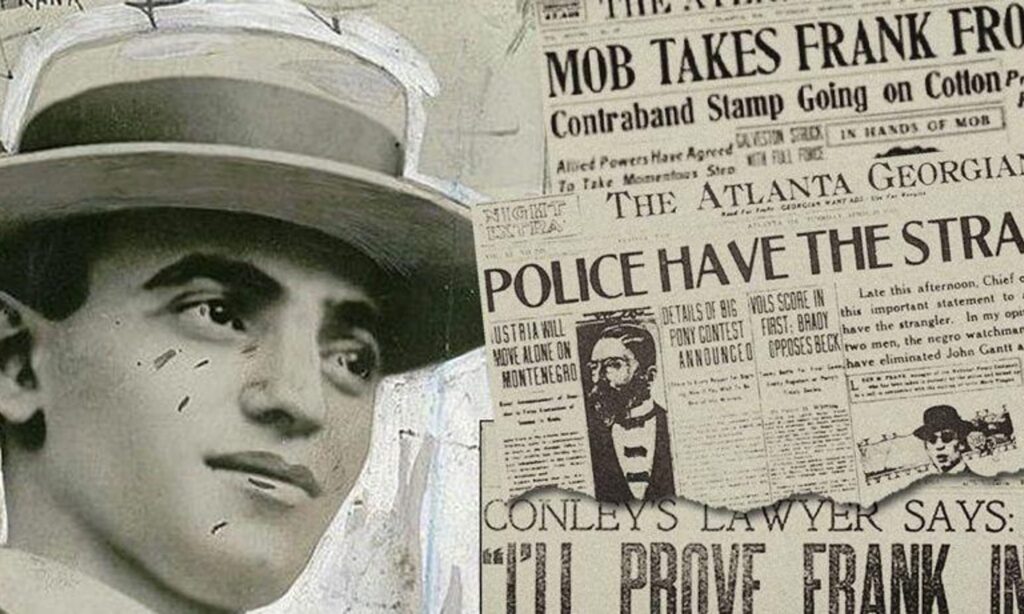
The Leo Frank Case
The Leo Frank case was one of the most high-profile and controversial criminal cases not only in Georgia, but in the entire United States of America. Leo Frank was a Jewish industrialist and manager of a pencil factory in Atlanta who was convicted in 1913 of murdering 13-year-old Mary Fegan.
Murder and investigation
Mary Fagan was a young girl who worked at Leo Frank's factory. On April 26, 1913, he was found dead in the basement of the factory. The murder, with signs of sexual assault, stunned the Atlanta community. The investigation quickly shifted to Frank, the factory manager and the last person to see Fagan alive.
Although there was not much evidence or a direct connection, Frank was charged with murder. He was the main witness Jim Conley, an African-American factory worker who claimed that he brought Mary's body to the basement on Frank's instructions.
Trial and Judgment
Frank's trial became very public. In Georgia at the time, where anti-Semitic sentiment was on the rise, Frank's case further polarized public opinion. Finally, in August 1913, Leo Frank was convicted and sentenced to death.
Lynching and Consequences
Although there was much doubt about Frank's case and a number of support movements were created in his favor, in 1915 the Supreme Court refused to review the case. Then the governor of Georgia commuted Frank's death sentence to life imprisonment.
However, this decision caused a new wave of hatred and excitement. In August 1915, an angry mob kidnapped Frank from prison and lynched him. This incident further escalated matters and fueled anti-Jewish hatred in the southern states.
The Leo Frank case remains one of the most poignant and controversial stories of racism, anti-Semitism, and misguided justice in America at the time.
The opinions expressed in the article are those of the author and may not reflect the official position of LAWHUB.




discussion 0
to write a comment Sign in to your account. Anyone can read comments.
There are no comments yet - start a discussion.